A little while ago I had a mini obsession with the “XXXX gothic” pieces, and decided to draft one for an area I know well – Canary Wharf in London’s Docklands – an area that has seen significant investment and building, with an influx of business and people. But like most places it has its own feel or vibe, which I hope I captured with this piece below.
Canary Wharf Gothic
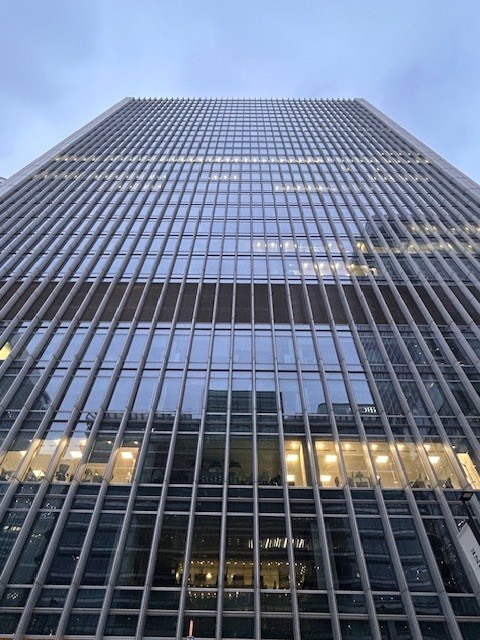
Blind and mute seagulls circle the skyscrapers, the tops of which seem to always be hidden in the clouds. The birds hunt by smell from an eyrie on the cold, unforgiving glass and steel monoliths. Thwarted, they swoop hungrily on the people who cross the exposed granite tiled plazas. No one is exactly sure how many birds there are, but there seem to be more each time someone tries to count them.
Outsiders to The Wharf are eyed suspiciously by the natives, who wonder what the visitors could want from their hermetic and self-sufficient environment. Staring is common and to be expected. Some even make it out unscathed.
Individuals are seen standing, alone and still, in the innumerable concrete corners and cul-de-sacs The Wharf possesses, their backs always to the passing crowds. They are all well dressed in the latest fashions. Occasionally one of them will shift subtly in response to some unseen and unheard stimulus. Their backs are all anyone ever sees, regardless which angle they are viewed from. No one is sure what they are doing.
Evenings and weekends, when The Wharf empties, are the times of the nascent and emergent neo-pagan folk festivals. The newest residents stare nervously from their penthouses and balconies at the gatherings thronging the concrete desert of their residence, waiting for their invite. The near-empty bars and restaurants seek to entice the careless passers-by into their establishments, with the promise of special deals. The sacrifices are only a matter of time away.
 Beckbridge - sometime scribbler